Co-Own a Horse: Shared Costs, Shared Care, Shared Success
Considering horse co-ownership? Learn how to structure agreements, navigate decisions together, and make it work for both owners and the horse.
What Is Horse Co-Ownership?
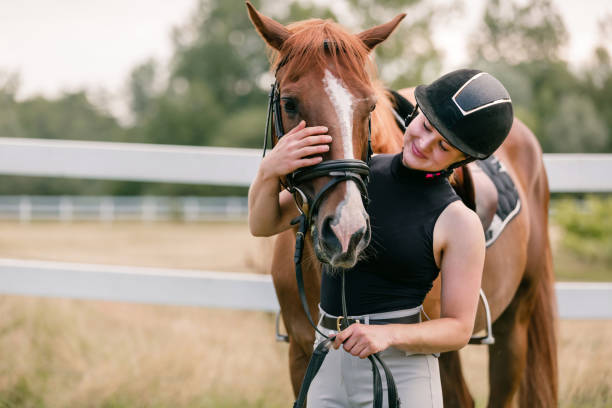
Co-ownership means two or more people own a single horse together, sharing financial responsibility, decision-making, and riding time. Unlike a lease (where one person uses someone else's horse), co-owners share both ownership rights and expenses.
It's a middle ground between full ownership and leasing — offering more control than a lease while distributing costs more evenly than solo ownership.
Step 1: Evaluate If Co-Ownership Is Right for You
Before partnering with anyone, be brutally honest:
Ask yourself:
- Do you have compatible goals and budgets?
- Can you handle sharing decisions and compromising?
- Do you communicate well and trust each other absolutely?
- Are your views on horse care aligned?
- Can you be flexible about scheduling and decisions?
- Can you handle disagreements professionally?
If you answered no to any of these, stop here. Co-ownership will likely create conflict, stress, and resentment. Consider solo ownership or leasing instead.
Step 2: Choose the Right Co-Owner and Partnership Structure
Types of Co-Ownership Arrangements
Equal Partnership
Two or more people own the horse in equal shares (50/50, 33/33/33, etc.), split all costs and decisions equally, and have equal riding rights.
Best for: Friends or partners with similar goals and budgets who trust each other completely.
Unequal Shares
One person owns 60%, another owns 40% — or any split that reflects different financial contributions or use expectations.
Best for: Partners with different financial capacity or different riding time needs.
Primary Owner + Partner
One person owns the horse, the other co-owns to share costs and responsibilities while deferring major decisions to the primary owner.
Best for: Family members or experienced/inexperienced rider pairs.
Choosing Your Co-Owner
- Choose someone you genuinely trust with money and major decisions
- Verify that your goals are truly compatible (not just "kind of similar")
- Look for someone with strong communication skills and emotional maturity
- Ensure you share similar standards for horse care and welfare
- Test the partnership: Consider a 6-month trial lease together first
If something feels off about the potential partner, trust that feeling. A bad co-ownership partnership is worse than going solo.
Step 3: Draft a Written Co-Ownership Agreement
This is non-negotiable. Without a written agreement, you have zero legal protection if the partnership dissolves.
Have an equine attorney or mediator draft a formal agreement. It costs $500–$1,500 but saves thousands if disputes arise.
Essential Agreement Elements
Ownership and Equity
- What percentage does each person own?
- How are ownership percentages documented legally?
- What happens if one partner wants to sell their share to an outside person?
- Does the other partner have the right of first refusal?
Financial Responsibility
- How are all costs split? (Board, farrier, vet, feed, insurance, registration)
- Who pays for routine vs. emergency vet care?
- What happens if one partner can't pay their share?
- How are major purchases (saddle, equipment) decided and funded?
- Will you maintain a shared account for expenses?
Riding Schedule and Access
- How many days per week can each partner ride?
- What happens during competition season or vacation?
- Can one partner prevent the other from using the horse?
- What if one partner significantly underuses their allocated time?
- How is priority handled if both want to ride the same day?
Decision-Making Authority
- Who decides which vet/farrier/trainer?
- How are major decisions made if partners disagree?
- Can one partner unilaterally retire the horse from competition?
- Who decides if the horse's care level changes (e.g., from full board to self-care)?
- What issues require consensus vs. majority vote vs. one partner's choice?
Training and Competition
- Can both partners compete on the horse?
- Who makes training decisions?
- What if one partner wants to advance the horse's training and the other doesn't?
- Are show entries and competition fees split?
Liability and Insurance
- Who is legally insured as the owner?
- What liability coverage is required?
- What happens if someone is injured riding the horse?
- Who is responsible for injuries to others caused by the horse?
Exit Strategy (Critical!)
- What if one partner wants out?
- Can a partner force a sale of the horse?
- Does one partner have the right of first refusal to buy out the other?
- What if you can't agree on a fair buyout price?
- How much notice must be given before exiting (30 days, 90 days)?
- What happens to the horse if neither partner can afford to buy the other out?
Dispute Resolution
- How will disagreements be handled?
- Is mediation required before legal action?
- Who pays for mediation/arbitration?
Step 4: Set Clear Guidelines for Daily Operations
Communication Protocol
- Weekly check-ins: Brief texts/calls about how the horse is doing, any concerns
- Monthly meetings: In-person (or video) to address concerns, review schedule, discuss finances
- Decision-making process: How will you handle disagreements? (See Step 3)
Ride Schedule
- Use a shared Google Calendar or horse management app (like EquiLog!)
- Define how many days per week each person can ride
- Establish backup plans for when one person is unavailable or sick
- Agree on what happens if someone consistently underuses their allocated time
- Schedule rides in advance to avoid conflicts
Budget and Financial Splits
- Open a shared account for routine expenses (board, feed, basic farrier work)
- Set spending thresholds:
- Under $500: One partner can decide without approval
- $500–$2,000: Both should discuss and agree
- Over $2,000: Both must approve
- Track all expenses meticulously in a spreadsheet or app
- Settle accounts monthly or quarterly (don't let debt or discrepancies build up)
- Document everything: Keep receipts, invoices, and expense summaries
Care Responsibilities
- Divide daily care duties fairly: feeding, turnout, grooming, water, stall maintenance
- Assign a primary person and a backup for barn checks
- Establish who contacts the vet/farrier and when
- Agree on standards for horse care (blanket thickness, supplement brand, grain type, etc.)
- Create a shared care log so both partners know what's been done
Step 5: Establish Conflict Resolution Mechanisms
Even great partnerships have disagreements. Plan ahead:
Minor disagreements: Discuss calmly; one partner's knowledge or experience may settle it
Moderate disagreements: Table it for a weekly meeting; take time to think
Major disagreements: Bring in a neutral mediator (experienced trainer, vet, or mutual friend)
Unresolvable disagreements: Escalate to written agreement terms or consider exit
Having a process prevents small arguments from becoming relationship-ending conflicts. Mediation is cheaper than lawyers.
Step 6: Plan for Inevitable Changes
Circumstances change. Job transfers, injuries, financial hardship, or life events happen. Your agreement must address:
If one partner wants out:
- Notice period (typically 30–90 days)
- Buyout options: other partner buys them out, both sell to third party, or forced sale
If one partner can't pay:
- Can the other temporarily cover costs?
- What's the maximum they'll cover?
- What happens after?
If the horse gets injured or seriously ill:
- Who decides on expensive treatments?
- Is there a spending limit?
- Can one partner force euthanasia if the other wants to continue treatment?
If one partner wants to retire the horse from competition:
- Can the other object?
- What's the process?
Having these conversations upfront prevents crisis decision-making later.
The Bottom Line
Successful horse co-ownership requires:
✓ Honest evaluation of partner compatibility
✓ A written agreement covering all scenarios
✓ Clear communication and regular check-ins
✓ Fair split of costs and responsibilities
✓ Flexibility and generosity from both partners
✓ A plan for when circumstances change
Get it in writing. Over-communicate. Choose wisely. If you do those things, co-ownership can give you and your partner access to a quality horse while sharing both the joy and the burden — and the costs.
Use EquiLog to share expenses, health records, ride logs, and training notes with your co-owner — so you're always on the same page about your horse's care, progress, and costs.
We use essential cookies to make our site work and analytical cookies to understand how you use our site. By clicking "Accept All", you consent to the use of these cookies. You can manage your preferences at any time. Read our Privacy Policy.