How to Transport a Horse: Safe Hauling Guide
Transporting a horse requires proper preparation, the right equipment, and careful handling. Here's everything you need to know to move your horse safely.
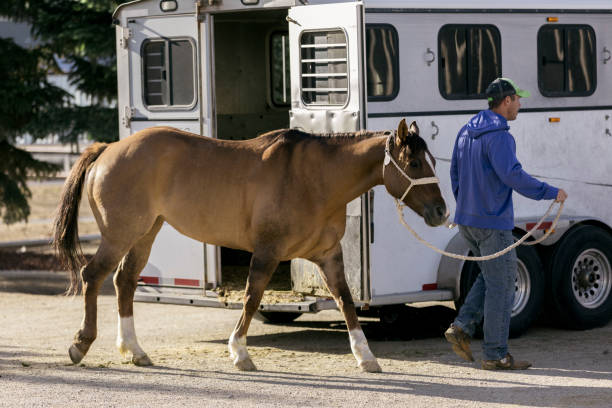
Why Proper Horse Transport Matters
Whether you're moving your horse to a new facility, hauling to a show, or transporting to a vet appointment, safe hauling reduces stress and injury risk. A horse that arrives calm and uninjured is a happy horse — and a less stressed owner.
Types of Trailers
Bumper-Pull Trailers
Attached directly to the vehicle's bumper or receiver hitch. Lighter and less expensive than gooseneck models, but more prone to sway on the road.
Best for: Short distances, single or two horses Capacity: 1-2 horses
Gooseneck Trailers
Mounted over the truck bed for better weight distribution and stability. More expensive but worth it for frequent hauling or longer distances.
Best for: Multiple horses, long distances, frequent transport Capacity: 2-4+ horses
Stock Trailers
Designed for cattle and livestock but sometimes used for horses. Less ideal than horse-specific trailers — they lack proper ventilation and dividers.
Two-Horse Slant Trailers
The workhorse of the equestrian world. Compact enough for everyday use, spacious enough for comfortable transport.
Pre-Transport Inspection Checklist
Exterior:
- Tires (proper pressure and tread depth)
- Lights (brake, tail, turn signals all functioning)
- Hitch connection is secure
- Door latches work smoothly
- No rust or structural damage
- Floor has no rot or soft spots
Interior:
- Proper ventilation (no drafts directly on horse)
- Rubber mats or rubber flooring (prevents slipping)
- Dividers secure and padded
- No sharp protrusions or nails
- Hay rack or net available
- Water bucket accessible
Safety Features Your Trailer Should Have
- Escape doors — A way out in emergencies
- Proper ventilation — Air flow without direct drafts
- Anti-slip flooring — Rubber mats or textured surfaces
- Padded dividers — Horses can shift; padding prevents injury
- Adequate tie rings — Secure but with some give
- Backup lights — Essential for night hauling
- Reflectors and lighting — Visibility on the road
Loading and Preparation
Before Loading
- Load on level ground — Never load or unload on an incline
- Open all doors and windows — Let the horse see the interior
- Walk the horse around the trailer — Familiarize them with it
- Use a step if needed — Makes entry easier for older horses
- Have a helper — Never load alone
Loading Tips
- Stay calm — Your horse reads your energy
- Use treats or hay — Motivate with rewards, not force
- Go slowly — A horse that loads fast once may refuse later if rushed
- Consider lunging first — A tired horse is calmer
- Patience pays off — Spending 20 minutes loading today saves hours of trouble later
Securing Your Horse
- Tie short — About 3 feet of rope; prevents rearing or lying down
- Use a quick-release knot or carabiner — Emergency releases matter
- Two tie points — Some trailers use both sides; check your design
- Use a trailer tie, not the halter ring directly — Reduces pressure
During Transport
Driving
- Drive smoothly — No sudden accelerations or hard braking
- Take turns slowly — Horses brace and can lose balance
- Avoid highway speeds — 45-55 mph is safer for horse comfort
- Minimize stops — Each stop unsettles the horse
- Keep the interior cool — Open vents as weather permits
Long Hauls (6+ hours)
- Stop every 4-6 hours — Let the horse drink water
- Unload and walk — 10 minutes of ground time reduces stress
- Offer water at stops — Some horses won't drink from a bucket while moving
- Monitor the interior — Check on the horse via a window at stops
Unloading
- Park on level ground
- Open all doors and windows — Ventilate before unloading
- Back the horse out slowly — Never turn sharp in a trailer
- Have a handler ready — Someone should lead while someone guides from the trailer
- Walk the horse immediately — 5-10 minutes helps them settle
- Offer water and hay — Especially after long hauls
Common Transport Problems and Solutions
Horse refuses to load
- Don't rush or use force
- Work with a trainer if it's a chronic issue
- Try treats, hay, or a companion horse loading first
Horse panics inside
- Keep windows open so they don't feel trapped
- Ensure ventilation is adequate
- Have the vet check for claustrophobia or sensory issues
Excessive sweating or stress
- May indicate inadequate ventilation or heat
- Reduce hauling time when possible
- Keep the trailer as cool as feasible
Trailer sway or instability
- Check tire pressure and weight distribution
- Have a mechanic inspect the hitch
- Reduce speed, especially in wind
Hiring a Professional Hauler
If you don't have a trailer or prefer professional transport:
Cost: $2–$5 per mile (varies by distance, region, and number of horses) What to ask:
- Insurance coverage
- Experience with horses
- Trailer condition
- References from other clients
- Pick-up and delivery times
Reputable haulers have well-maintained trailers and calm demeanors — they understand horse transport isn't a race.
Where to Find a Reputable Horse Hauler
Finding a trustworthy equine transporter takes a little research, but the right hauler makes all the difference:
- Ask your vet, farrier, or trainer — they regularly see haulers in action and can recommend trusted names
- Equestrian Facebook groups — regional groups often have recommendations and reviews from local horse owners
- uShip.com/horses — an online marketplace for equine transport quotes from multiple providers
- Your boarding facility manager — they've usually arranged dozens of transports and know reliable local haulers
- Word of mouth at shows and events — fellow competitors are an excellent source of firsthand recommendations
Always verify the hauler's insurance, inspect the trailer in advance if possible, and ask for references before booking.
Key Takeaways for Safe Horse Transport
Safe transport reduces stress and injury risk. Focus on:
- Proper trailer selection — Gooseneck or slant trailers are worth the investment for frequent hauling
- Pre-transport inspection — Check every safety feature before loading
- Slow, calm loading — Never rush; patience today prevents problems tomorrow
- Safe tie methods — Short ties with quick-release knots prevent emergencies
- Smooth driving — Slow speeds and gentle handling keep your horse calm
- Regular stops — Unload and walk every 4-6 hours on long hauls
- Professional haulers — If you don't have a trailer, vet the hauler carefully with references and documentation
Whether hauling yourself or hiring a professional, your horse's safety and comfort during transport matters. A calm arrival makes everything that follows easier.
Use EquiLog to log transport events, note how your horse traveled, and track any health observations after hauling — so you build a complete picture of what works best for your horse.
We use essential cookies to make our site work and analytical cookies to understand how you use our site. By clicking "Accept All", you consent to the use of these cookies. You can manage your preferences at any time. Read our Privacy Policy.